In the quest for effective and sustainable cleaning solutions, ultrafine bubble (UFB) technology, a field where Japan is a recognized pioneer, stands out. These incredibly small bubbles, invisible to the naked eye, possess unique properties that enable them to tackle dirt, oil, and even stubborn biofilm with remarkable efficiency. Let’s delve into the science behind this innovative cleaning mechanism.
The Power of Negative Charge: Attracting and Lifting Contaminants
One of the key mechanisms by which ultrafine bubbles clean is through their electrical charge. Typically, UFBs carry a negative surface charge. Many common contaminants, such as dirt particles, oil droplets, and microbial cells (often found in biofilm), tend to have a positive charge or exhibit polar characteristics.
Just like how opposite poles of a magnet attract, these negatively charged UFBs are drawn to positively charged or polar contaminants. When UFBs come into contact with these substances, they adhere to their surfaces. This attraction is further enhanced by the vast surface area provided by the numerous tiny bubbles present in UFB-infused water.
As more UFBs attach to the contaminant, they effectively surround and lift it away from the surface it was adhering to. This process occurs at a microscopic level, allowing for the removal of even deeply embedded dirt and grime without the need for harsh scrubbing or aggressive chemical agents. This inherent cleaning power reduces the reliance on traditional cleaning methods that can be environmentally damaging.
The Role of Size and Penetration: Accessing the Unreachable
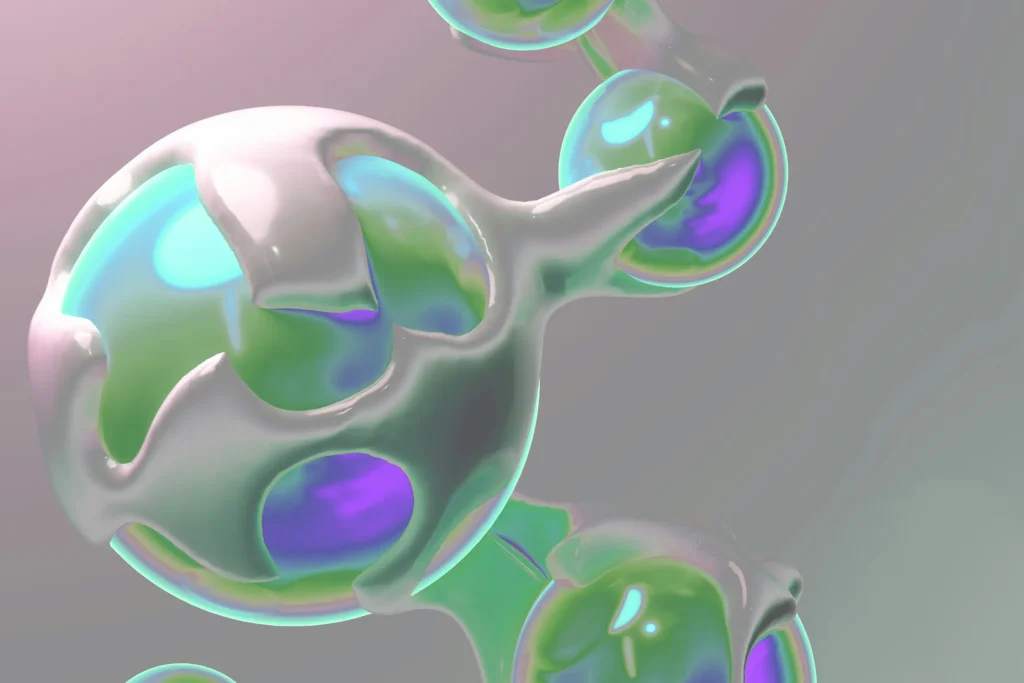
The ultramicroscopic size of these bubbles (less than 1 micrometer) plays a crucial role in their cleaning efficacy. Their small dimensions allow them to penetrate into the tiniest crevices, pores, and irregularities on surfaces that larger cleaning agents or even microbubbles cannot access.
This exceptional penetration capability is particularly important when dealing with biofilm, a complex matrix of microorganisms that adheres strongly to surfaces. UFBs can infiltrate the intricate structure of biofilm, disrupting its integrity and allowing for the more effective removal of the embedded bacteria and organic matter. This makes UFB technology highly valuable in hygiene-critical environments, such as healthcare, food processing, and even domestic settings like bathrooms and kitchens.
Buoyancy and Longevity: Sustained Cleaning Action
Unlike larger bubbles that quickly rise to the surface and burst, ultrafine bubbles exhibit near-zero buoyancy. This means they remain suspended in the liquid for extended periods, ranging from weeks to even months. This prolonged contact time with surfaces and contaminants allows for a sustained cleaning action.
The continuous presence of these tiny cleaning agents in the water ensures that they actively work to break down and lift away dirt and oil over time, preventing their redeposition. This long-lasting effect contributes to the overall efficiency and effectiveness of UFB cleaning solutions, often requiring less water and less frequent application compared to conventional methods.
Disruption of Oil Droplets
UFBs can also effectively tackle oily residues. The hydrophobic (water-repelling) nature of oil attracts the gaseous core of the bubbles. As UFBs come into contact with oil droplets, they can surround and emulsify them, breaking down large oil molecules into smaller, more easily dispersible units that can then be washed away by the water flow.
Conclusion: A Gentle Yet Powerful Cleaning Revolution
Ultrafine bubble technology, pioneered in Japan, offers a scientifically sound and environmentally conscious approach to cleaning. By leveraging the principles of electrostatic attraction, minuscule size for deep penetration, prolonged suspension for sustained action, and the ability to emulsify oils, UFBs provide a gentle yet remarkably powerful cleaning solution for a wide range of applications. As research and development in this field continue, we can expect even more innovative uses for this invisible cleaning revolution.